 TH
TH EN
ENOEM whitening & brightening skincare manufacturing — serums and creams that reduce dark spots, premium active ingredients
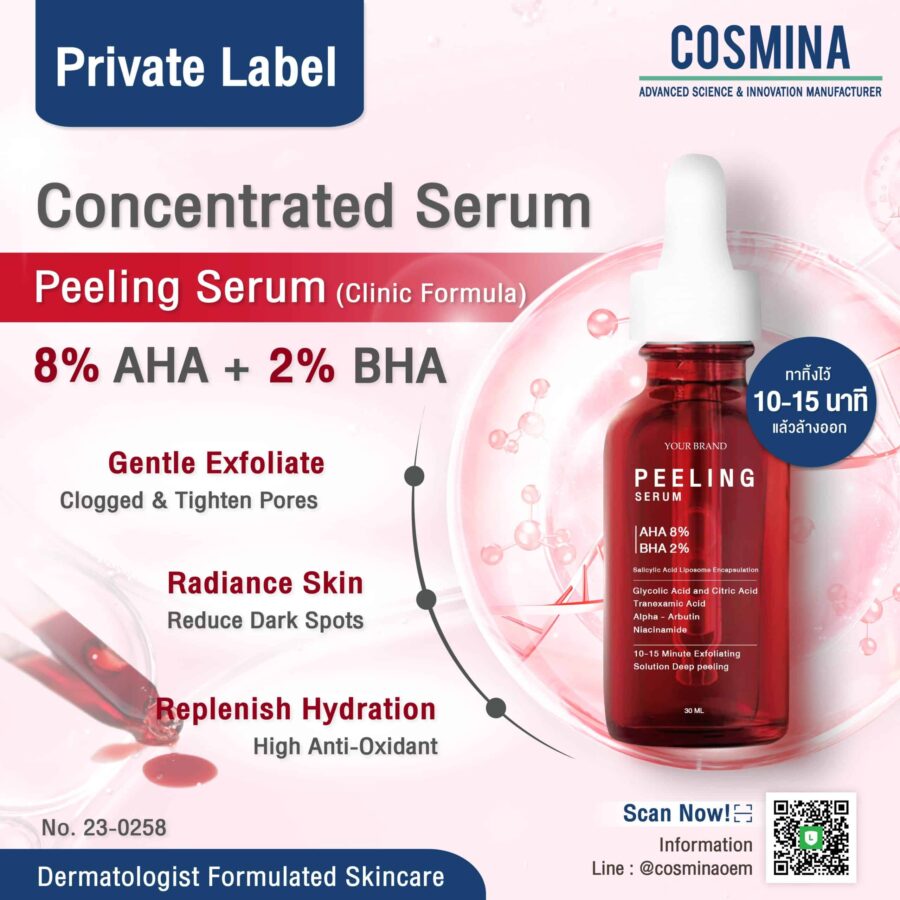
Whitening
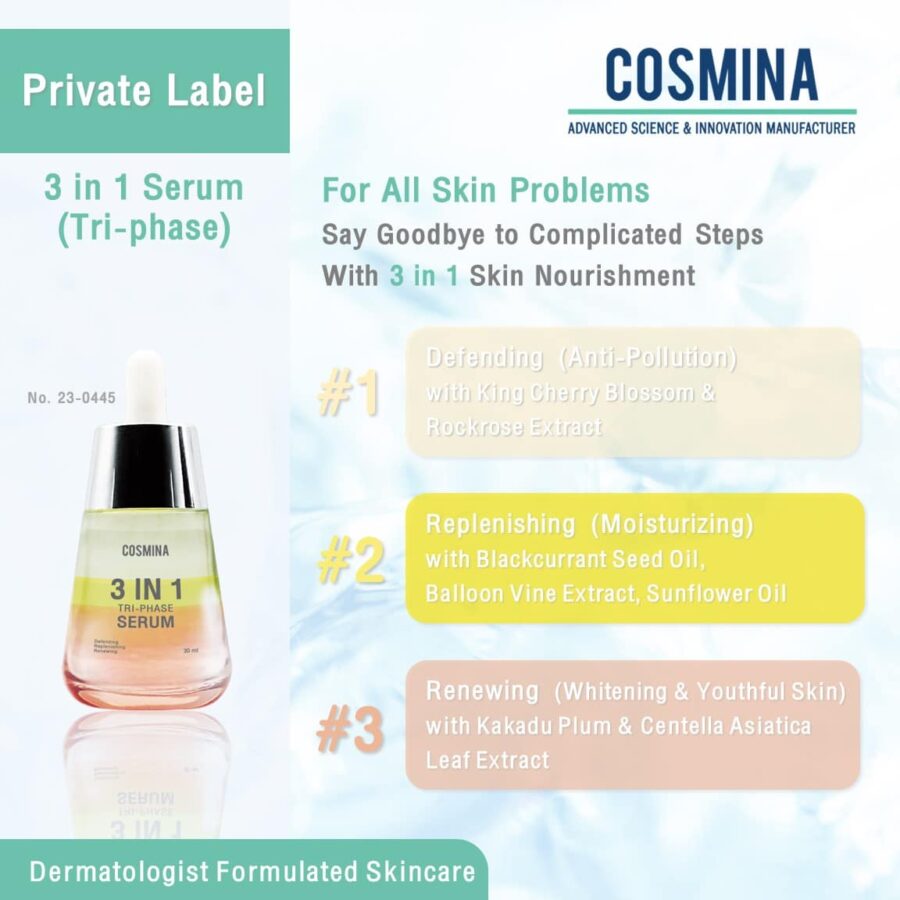
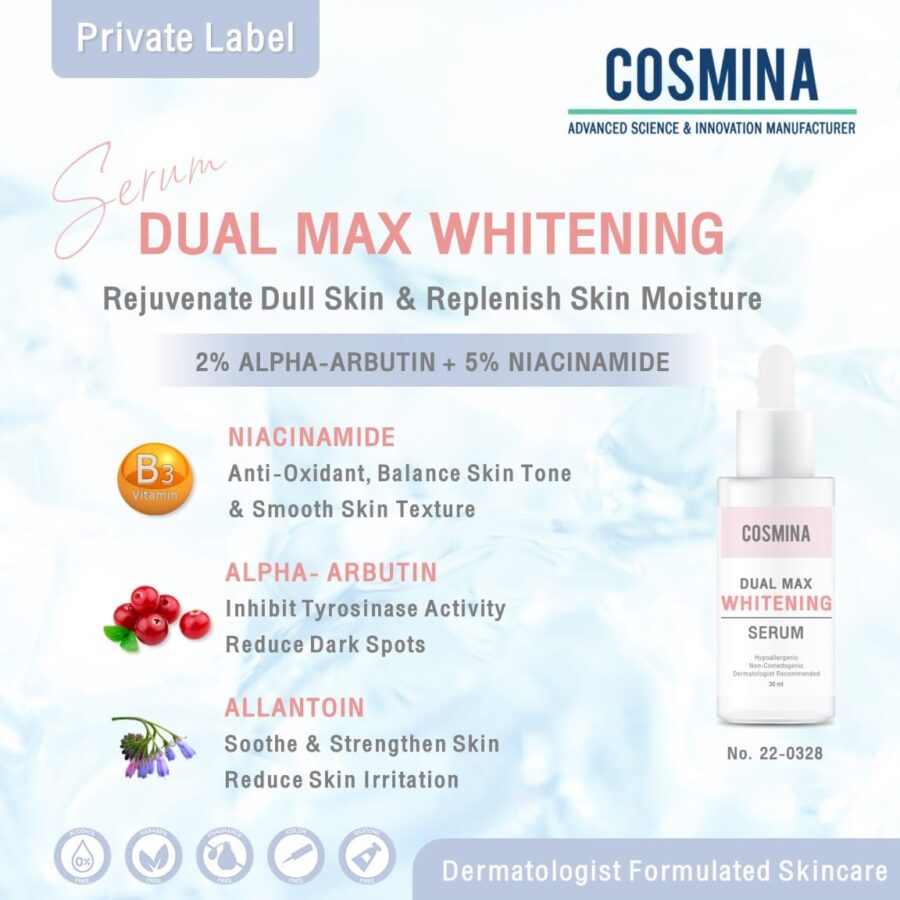
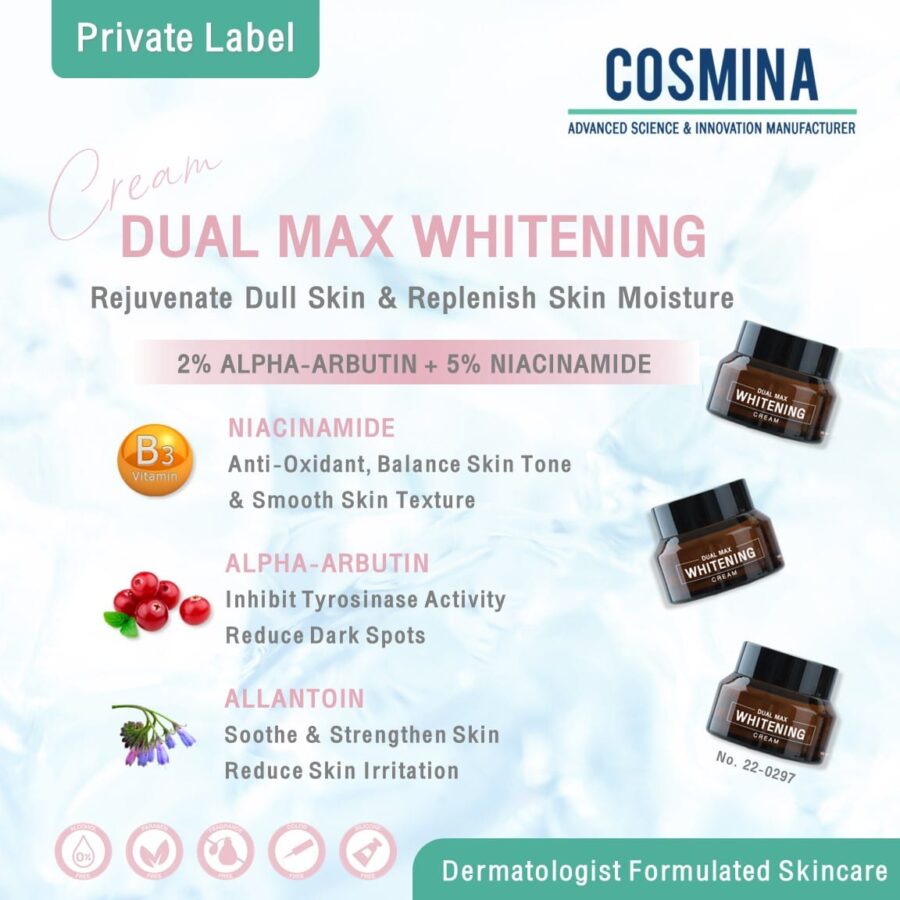
Whitening
Whitening
![[:th]2.9.9 Eng-E-Com- No.RD 20 - 0112 - Spotless Reveal (AAZ)[:]](https://cosmina.co.th/en/wp-content/uploads/2.9.9-Eng-E-Com-No.RD-20-0112-Spotless-Reveal-AAZ-17.04.23-900x900.png)
Whitening
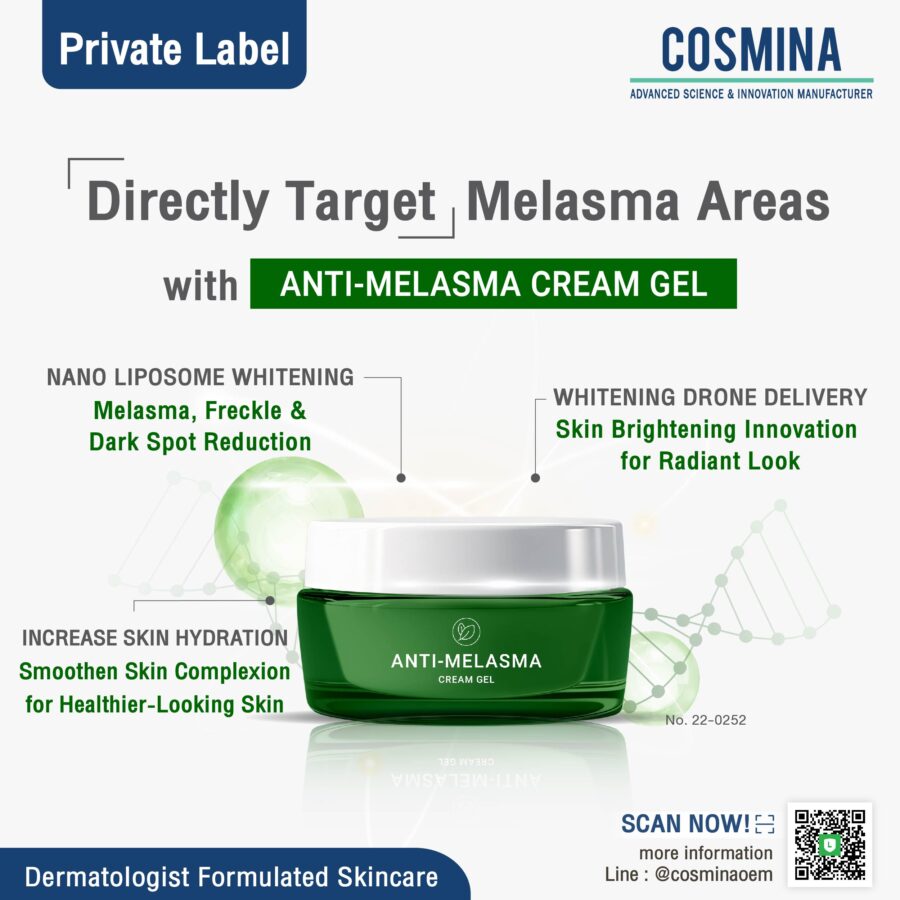
![[:th]Anti-Melazma with Whitening Drone Cream Gel[:]](https://cosmina.co.th/en/wp-content/uploads/CM-FB-Anti-Melazma-with-Whitening-Drone-Now-edited-by-Dr.Goi-12.09.22-900x900.jpg)
![[:th]2.9.10 Eng-E-Com - Whitening Water Cream (AAZ)[:]](https://cosmina.co.th/en/wp-content/uploads/2.9.10-Eng-E-Com-Whitening-Water-Cream-AAZ-EDT-DrGoi-11.05.23-1-900x900.png)
Whitening
![[:en-us]Eng-AW-E-Commerce-Alpha-Arbutine-Cream[:]](https://cosmina.co.th/en/wp-content/uploads/2.9.1-Eng-AW-E-Commerce-Alpha-Arbutine-Cream-900x900.png)
Whitening
![[:en-us]Eng-AW-E-Commerce-C-Whitening-Serum[:]](https://cosmina.co.th/en/wp-content/uploads/2.9.2-Eng-AW-E-Commerce-C-Whitening-Serum-900x900.png)
Whitening
![[:en-us]Eng-AW-E-Commerce-Spotless-Intense-Cream-Gel[:]](https://cosmina.co.th/en/wp-content/uploads/2.9.3-Eng-AW-E-Commerce-Spotless-Intense-Cream-Gel-900x900.png)
Whitening
What You Should Know Before Developing a Whitening Cream or Serum Formula
COSMINA offers a wide range of whitening skincare formulations, including whitening serums, gel creams, and whitening creams. Before selecting or developing a whitening product, it is important to understand how these products work, the active ingredients commonly used, and the safety considerations involved. Here are some essential facts to help you get started.
What Are Whitening Products?
Whitening products are skincare products formulated to help improve the appearance of uneven skin tone and enhance skin radiance, making the complexion look brighter and more even. They are commonly used by people with dull-looking skin, dark spots, or uneven pigmentation. Products such as whitening creams and whitening serums typically contain skin-brightening ingredients (whitening agents) along with complementary actives that help promote a more luminous complexion.
What Types of Whitening Products Are Available?
Today, whitening skincare is available in virtually every step of a skincare routine, including:
- Whitening Toners
- Whitening Serums
- Whitening Creams
- Whitening Ampoules
What Are Skin-Brightening Ingredients?
Skin-brightening ingredients are active compounds used in whitening skincare formulations to help improve the appearance of skin tone. They generally fall into four categories:
-
Skin Bleaching Agents
Ingredients such as hydroquinone, phenol, and ammoniated mercury are considered skin bleaching agents. Many of these substances are prohibited for use in cosmetic products because they may cause serious health risks and adverse effects, including skin damage and potential toxicity. ``` -
Skin-Brightening Agents
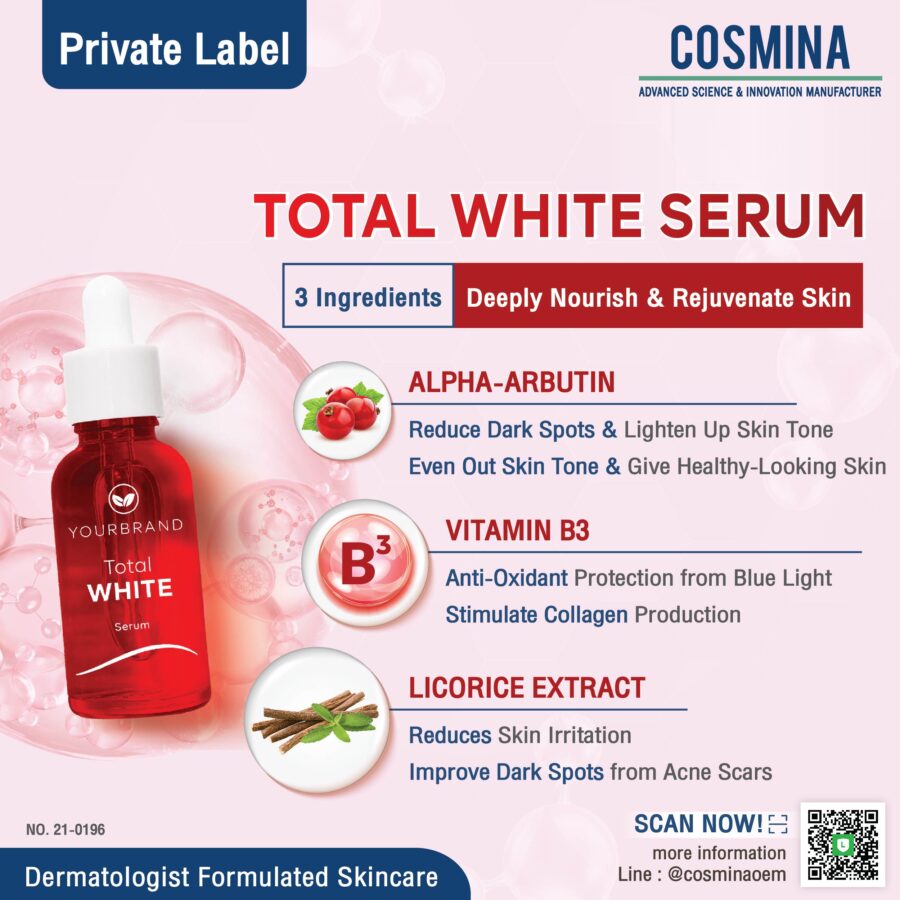
Ingredients such as Kojic Acid, Arbutin, Licorice Extract, Vitamin C, and Niacinamide (Vitamin B3) help inhibit melanin production, promoting a more even and radiant-looking complexion. Due to their favorable safety profile, these ingredients are widely used in whitening creams and whitening serums. -
Exfoliating Ingredients
Ingredients such as Alpha Hydroxy Acids (AHAs) and Vitamin A derivatives help remove dead skin cells and encourage skin renewal. They are commonly incorporated into whitening serums, creams, and other brightening products to reveal fresher, brighter-looking skin. -
Optical Brightening Pigments
These opaque white pigments create an immediate brightening effect by reflecting light on the skin's surface. However, the effect is temporary and disappears after cleansing. Common examples include Titanium Dioxide, Zinc Oxide, Talc, Bismuth Oxychloride, and Kaolin, which are frequently used in sunscreens and cosmetic products.
```
Safe Ingredients Commonly Used in Whitening Creams and Serums
Many effective whitening formulations rely on well-established cosmetic ingredients, including:
- Vitamin C – Helps brighten the skin, improves the appearance of uneven skin tone, and provides antioxidant benefits that support healthier-looking skin. ```
- Arbutin – Available as Beta Arbutin (naturally derived) and Alpha Arbutin (synthetically produced). It is widely recognized for helping reduce the appearance of dark spots and uneven pigmentation.
- Kojic Acid – A naturally derived ingredient produced through the fermentation process. It helps improve skin brightness and visibly reduce the appearance of dark spots with consistent use.
- Vitamin E – An antioxidant that helps protect the skin from free radicals while providing moisturization and supporting the skin barrier. ```
Ingredients That May Pose Safety Risks
- Steroids (Corticosteroids) – These should only be used under medical supervision. Misuse may lead to skin thinning, irritation, and visible blood vessels. ```
- Mercury – Mercury compounds are prohibited in cosmetic products in many countries because they may cause serious health risks, including skin damage and systemic toxicity after prolonged exposure.
- Hydroquinone – The regulatory status of hydroquinone varies by country. In markets where its cosmetic use is restricted or prohibited, prolonged or improper use may cause skin irritation and other adverse effects. Product developers should always comply with local cosmetic regulations. ```
Understanding the science behind whitening skincare and selecting safe, effective ingredients are essential when developing high-quality cosmetic products. Whether you are planning to launch a whitening cream, whitening serum, or a complete brightening skincare line, choosing the right formulation and compliant ingredients is key to creating products that meet both consumer expectations and regulatory requirements.If you are looking to develop your own whitening skincare brand, COSMINA provides comprehensive OEM/ODM cosmetic manufacturing services—from formulation development and ingredient selection to manufacturing, packaging, and regulatory support.